






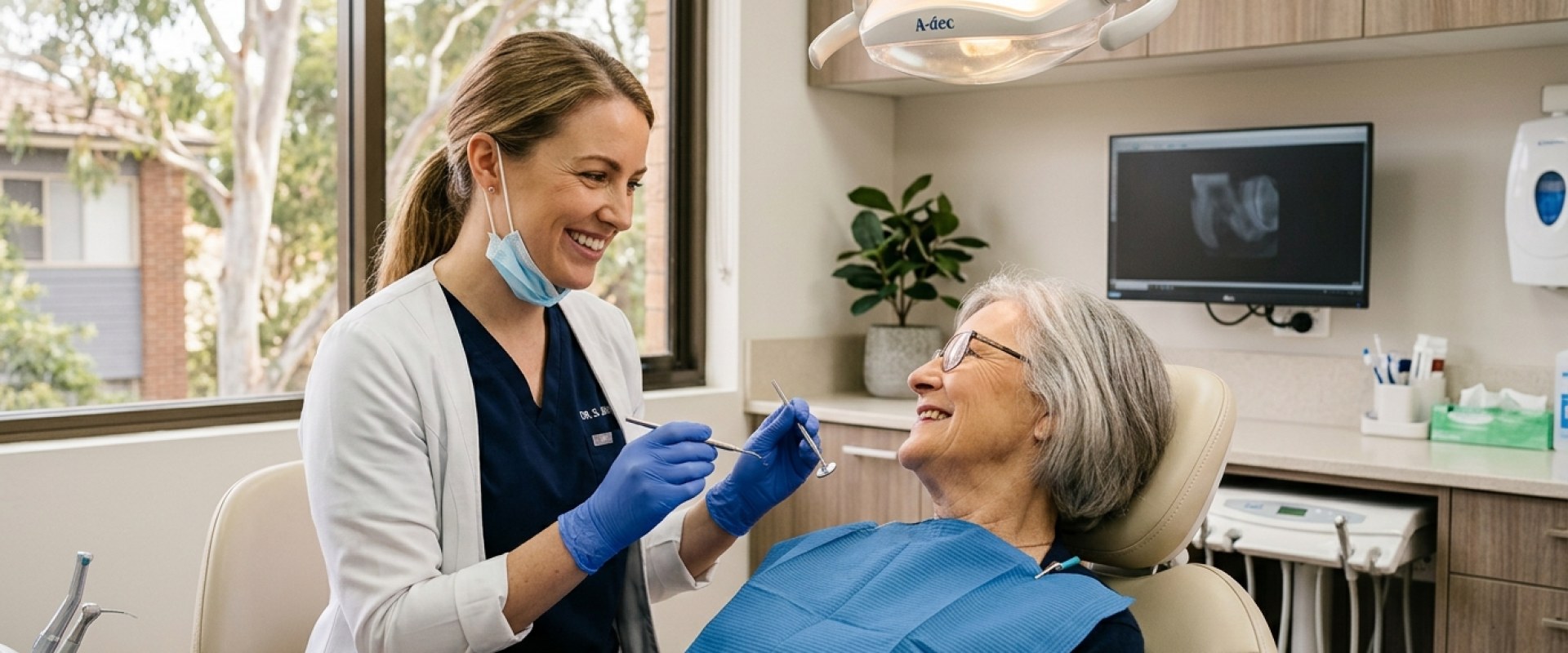
Persistent pain when you bite down, a tooth that remains sore long after hot or cold food, or a dentist mentioning an infected nerve — these are the moments Five Dock patients usually start searching for answers about the root canal therapy Five Dock patients may need. Root canal therapy is one of the more misunderstood dental procedures, often feared more than it needs to be, when in reality it is the treatment that saves a tooth rather than losing it. This article explains what the treatment actually involves, the symptoms that suggest you may need it, and what a typical appointment and recovery look like, so you know what to expect before you sit in the chair.
Key Takeaways
- The root canal therapy Five Dock patients receive removes infected or inflamed tissue from inside a tooth to relieve pain and save the natural tooth from extraction.
- Common warning signs include lingering sensitivity to hot or cold, pain when chewing, a darkening tooth, or a small pimple-like bump on the gum.
- Treatment is usually completed over one or more appointments and is aimed at making you comfortable, not causing more pain.
- A tooth-coloured restoration or crown is often needed afterwards to protect the treated tooth long-term.
- The right cost and treatment path depend on individual assessment — Prudential Dental Clinic can talk you through your specific situation.
Root Canal Therapy Five Dock: What the Treatment Actually Involves
Inside every tooth, beneath the hard enamel and dentine, sits a soft core called the pulp — a bundle of nerves and blood vessels that keeps the tooth alive during its development. When that pulp becomes infected or inflamed, usually because deep decay, a crack, or repeated dental work has let bacteria reach it, the result is often persistent pain that won’t settle on its own. Root canal therapy is the treatment designed to deal with this: the infected or damaged tissue inside the tooth is removed, the inner chamber and canals are cleaned and shaped, and the space is sealed to stop bacteria re-entering. The aim throughout is to remove the source of pain and infection while keeping your natural tooth in place, rather than removing it altogether.
The root canal therapy Five Dock residents may need for a tooth that has started aching without warning is often the difference between saving a natural tooth and losing it to extraction. It is considered a well-established, effective way of treating an infected tooth, and you can contact Prudential Dental Clinic to discuss treatment options.
Root Canal Therapy Five Dock: Signs You May Need Treatment
It isn’t always obvious that a toothache is serious enough to need root canal therapy rather than a simple filling. Some of the more common signs dentists look for include:
- Pain that lingers well after eating or drinking something hot or cold, rather than easing off quickly.
- Sharp or throbbing pain when you bite down or chew on the affected tooth.
- A tooth that has darkened or discoloured compared to those around it.
- Swelling, tenderness, or a small pimple-like bump on the gum near the tooth.
- Pain that seems to have gone quiet, which can sometimes mean the nerve has died rather than that the problem has resolved.
Not every symptom points to the same cause, and only a proper dental examination can confirm whether root canal therapy is the right treatment or whether something else, such as a filling or a tooth-coloured restoration, would resolve the issue. If you’re experiencing sudden or severe pain and aren’t sure what’s causing it, it’s worth reading more about what an emergency dentist can do for urgent dental pain while you arrange an assessment.
If you’ve been putting off a persistent toothache hoping it will settle, it’s worth having it checked rather than waiting for the pain to worsen.
Root Canal Therapy Five Dock: What to Expect During Your Appointment
Understanding the root canal therapy Five Dock patients may need can make the process far less daunting. While the exact number of visits and specific approach depend on the individual tooth and the extent of infection, the treatment generally follows a similar sequence: Healthdirect Australia’s guidance on root canal treatment sets this out in more detail.
- Assessment and diagnosis: your dentist examines the tooth, may take an X-ray, and confirms that root canal therapy is the appropriate treatment.
- Local anaesthetic: the area is numbed so the procedure is carried out as comfortably as possible.
- Accessing and cleaning the tooth: a small opening is made to reach the inner chamber, and the infected or inflamed tissue is carefully removed.
- Shaping and disinfecting the canals: the canals inside the root are cleaned and shaped to prepare them for sealing.
- Sealing the tooth: the cleaned space is filled and sealed to prevent bacteria re-entering.
- Restoring the tooth: because a tooth that has had root canal therapy can become more brittle, a filling or crown is often recommended afterwards to protect it.
Every case is different, and how many appointments this takes, along with whether a crown or other restoration is needed, depends on assessment of your specific tooth. If you’re nervous about what a dental appointment involves generally, our guide on what to expect at your first dental visit covers the basics of walking into a new clinic.
The root canal therapy Five Dock patients seek exists to save a tooth that would otherwise likely need to be removed — not to add unnecessary pain to a day that already involves enough of it.
Root Canal Therapy Five Dock: Recovery After Treatment
Some tenderness in the days following treatment is common, particularly around the gum and jaw where the tooth was worked on, and this generally eases as healing progresses. Everyone recovers a little differently, and if you experience swelling, ongoing significant pain, or anything that concerns you after treatment, it’s best to contact the clinic directly rather than assume it will resolve on its own. Following your dentist’s specific aftercare guidance for your case, including any recommendations around chewing on the treated side until a permanent restoration is fitted, gives the tooth the best chance of long-term success.
Because the priority after root canal therapy is protecting what’s left of the natural tooth structure, many patients go on to have a crown or other restoration fitted. This isn’t the same procedure as the root canal itself, and whether it’s needed — and what form it takes — is something your dentist will discuss with you based on the condition of the tooth.
Root Canal Therapy Five Dock: Cost and Funding Considerations
One of the most common questions patients have before committing to treatment is what the root canal therapy Five Dock dentists recommend actually costs. There’s no single answer, because the fee depends on factors such as how complex the tooth’s root canal system is, how many appointments are required, whether the infection has spread, and what type of restoration is needed afterwards to protect the tooth. A tooth with straightforward, single-root anatomy is generally a different undertaking to a molar with multiple curved canals, and this is reflected in the time and materials involved.
Rather than relying on a generic online estimate, the most reliable way to understand what your treatment is likely to involve — and what it will cost — is a proper assessment with a dentist who can examine the specific tooth in question. Prudential Dental Clinic can talk you through the factors relevant to your case and what payment or health fund arrangements may apply once a treatment plan has been discussed.
Root Canal Therapy Five Dock: Frequently Asked Questions
Does root canal therapy hurt?
The procedure itself is carried out under local anaesthetic to keep you comfortable, and the root canal therapy Five Dock patients receive is generally no more uncomfortable than having a filling placed. Some tenderness afterwards is common as the area settles, but the treatment is aimed at relieving the pain caused by the infection, not adding to it.
How long does root canal treatment take?
The time needed for root canal therapy Five Dock patients undergo varies depending on the tooth and how complex its root canal system is. Some teeth can be treated in a single appointment, while others require more than one visit. Your dentist can give you a clearer timeframe once they’ve assessed the specific tooth.
Will I need a crown after root canal therapy?
Often, yes — because a tooth that has had root canal treatment can become more brittle over time, a crown or other restoration is frequently recommended to protect it from future fracture. Whether this applies to your tooth depends on its condition and location, which your dentist will assess.
What happens if I leave a tooth infection untreated?
An untreated infection inside a tooth doesn’t generally resolve on its own and can worsen over time, potentially leading to increased pain, spreading infection, or eventual loss of the tooth. If you’re experiencing symptoms such as lingering sensitivity, pain when biting, or swelling, it’s worth having the tooth assessed rather than waiting.
Is root canal therapy better than having the tooth extracted?
Keeping your natural tooth generally has advantages for chewing function, jaw structure, and avoiding the need for a replacement such as an implant later on. Root canal therapy is often recommended as the way to save a tooth rather than lose it, though the right option for your situation depends on the extent of damage or infection, which a dentist can assess.
Root Canal Therapy Five Dock: Looking After Your Smile
A toothache that keeps you up at night or makes chewing uncomfortable is not something to push through indefinitely. Root canal therapy exists specifically to deal with infection inside a tooth while giving you the chance to keep that tooth rather than lose it, and understanding the general process can take a lot of the uncertainty out of the experience.
Every tooth and every patient is a little different, which is why the details of your own treatment — from the number of appointments to the type of restoration recommended afterwards — are best worked out with a dentist who can examine the tooth directly. If you’d like to understand more about the team behind your care, our Why Us page outlines what patients can expect when they choose Prudential Dental Clinic.
If a nagging toothache has been on your mind, don’t wait for it to become an emergency before getting it looked at.
To discuss your symptoms or book an assessment, contact Prudential Dental Clinic on (02) 9713 6980 or request an appointment online.
Call (02) 9713 6980Request an appointment online