






If you’re missing one or more teeth and want to understand exactly what’s involved before committing to treatment, the dental implant process in Five Dock generally moves through a consultation and assessment stage, a surgical placement appointment, a healing period, and finally the fitting of your permanent restoration. Each stage has its own purpose, and knowing what to expect at every step can make the whole journey feel far less daunting. This article walks through that timeline stage by stage, so you can go into your first appointment with realistic expectations about what lies ahead.
Key Takeaways
The process starts with a consultation and assessment to check your suitability before any surgical planning begins.
Implant placement is a distinct appointment from your final crown, bridge or denture fitting.
Healing time varies between patients and depends on individual assessment rather than a fixed timeline.
Dental implants for seniors follow the same core process, though bone density and general health are considered more closely during assessment.
Cost depends on your specific treatment plan — the clinic can only give you an accurate figure once they know what your case requires.
The Dental Implant Process in Five Dock Starts with a Consultation
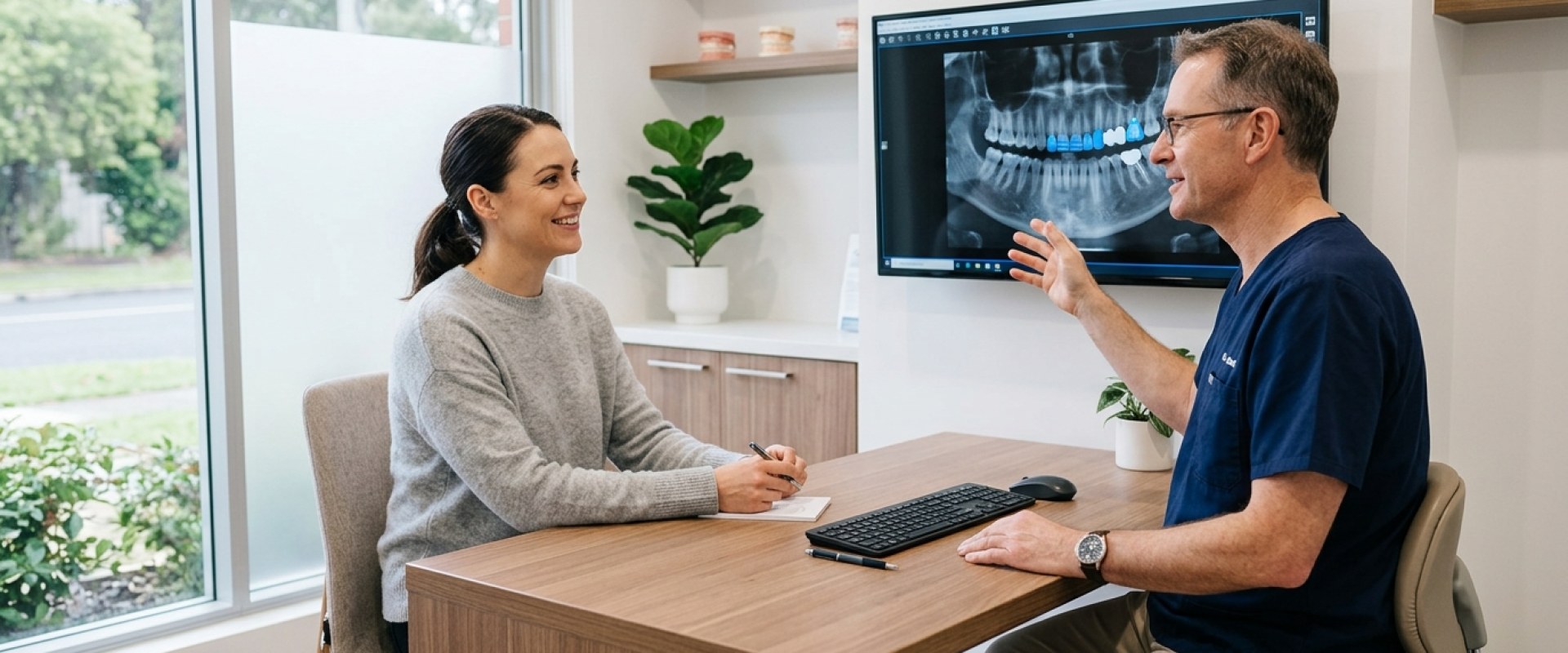
The first step in the dental implant process in Five Dock is always a consultation. This is where your dentist looks at your oral health as a whole, not just the gap left by a missing tooth. Expect a discussion about your dental and medical history, an examination of your gums and remaining teeth, and imaging to assess the bone in the area where the implant would sit. This stage exists because implant suitability isn’t universal — bone density, gum health and certain medical conditions can all affect whether an implant is the right option, or whether another approach should be considered first.
If you’re searching for a dentist Five Dock locals trust for this kind of assessment, it helps to know that this initial visit is diagnostic rather than a hard commitment to surgery. Your dentist will use it to map out a treatment plan specific to your mouth, and if anything more complex is uncovered — such as insufficient bone volume — they’ll talk you through what that means for your options rather than assuming a single path forward. Any individual suitability question ultimately comes down to a proper clinical assessment, so this conversation is the foundation everything else is built on.
Preparing for Implant Surgery: Assessments and Planning
Once suitability is confirmed, the next stage is more detailed planning. This typically involves further imaging to map the exact position, angle and depth for the implant, along with a broader check of your general dental health — because untreated gum disease or decay elsewhere in the mouth can affect healing. If you have any outstanding dental issues, your dentist may recommend addressing those first.
This is also the stage where questions about cost tend to come up, including from people comparing options like all on 4 dental implants cost in Australia for full-arch replacement versus a single implant for one missing tooth. The honest answer is that cost depends on factors such as how many implants are needed, the complexity of the case, the materials used for the final restoration, and how many appointments the treatment plan requires. Rather than relying on a generic figure you’ve seen elsewhere, the most reliable way to know what your treatment will cost is to get an assessment and a personalised quote directly from the clinic.
You can read more about what typically influences implant pricing in our guide on dental implant costs in Australia, which explains the variables in more depth without quoting a fixed price, since no two treatment plans are identical.
The Implant Placement Appointment
The surgical placement of the implant is usually done under local anaesthetic. A small titanium post is placed into the jawbone, where it will act as the artificial root for your new tooth. Depending on your treatment plan, a temporary restoration may be fitted while the implant integrates with the bone underneath, so you’re not left with a visible gap during the healing phase.
Recovery immediately after this appointment is generally manageable, though your dentist will give you specific aftercare instructions tailored to your case — things like what to eat in the first few days and how to keep the area clean while it settles. Because everyone heals differently, your dentist is the right person to tell you what your particular recovery will look like rather than assuming it will match someone else’s experience.
The strength of a dental implant comes from what happens beneath the gum line long before you ever see the finished tooth.
Not sure whether you’re a good candidate for implant treatment, or want to talk through your options first? You’re welcome to get in touch with our Five Dock team to arrange a consultation and find out what’s involved for your specific situation.
Healing and Osseointegration: What to Expect Between Visits
After placement, the implant needs time to fuse with the surrounding jawbone in a process called osseointegration. This is what gives an implant its stability and long-term strength — it’s effectively becoming part of your jaw structure, rather than sitting on top of it the way a removable denture does. Healing timeframes are individual, and your dentist will monitor your progress at review appointments rather than working to a single fixed schedule for every patient.
During this period, it’s worth attending any check-ups your dentist schedules, even if everything feels fine. These visits let your dentist confirm the implant is integrating as expected before moving on to the next stage. If you experience anything unusual — persistent discomfort, swelling or a loose feeling around the implant site — contact the clinic rather than waiting for your next scheduled visit. Anyone dealing with sudden dental pain more broadly can also read our guide to emergency dental care in Five Dock for guidance on what counts as urgent.
Fitting the Final Restoration
Once your dentist confirms the implant has integrated successfully, the final stage is fitting the permanent restoration — this might be a crown, a bridge, or a denture, depending on how many teeth are being replaced and what your treatment plan called for from the outset. Impressions or digital scans are taken so the restoration is shaped and shaded to sit naturally alongside your existing teeth, and your dentist will check the fit and your bite before it’s permanently secured.
This is the point where the practical benefit of implants becomes clear: a well-fitted implant restoration is designed to function like a natural tooth for eating and speaking, without the day-to-day considerations that come with removable options. For a closer look at how implants compare with other tooth-replacement approaches, see our page on dental implants in Five Dock and permanent smile solutions.
Dental Implants for Seniors and Long-Term Maintenance
Age alone doesn’t rule someone out of implant treatment. For dental implants for seniors, the same consultation and assessment process applies, though your dentist will pay particular attention to bone density, any existing medical conditions, and medications that could affect healing — all standard parts of a thorough assessment rather than an automatic barrier. If bone volume has reduced over time, your dentist will discuss what that means for your specific case rather than assuming implants are or aren’t suitable without a proper look first.
Once your restoration is fitted, ongoing maintenance is straightforward and similar to caring for natural teeth: consistent brushing and flossing, and keeping up with regular check-ups so your dentist can monitor the implant and surrounding gum tissue over time. Good general dental health also supports the long-term success of the implant, which is one more reason routine dental clean and check-up visits matter even after treatment is complete.
Frequently Asked Questions
How long does the whole dental implant process take?
The overall timeline varies from person to person because it depends on healing progress, whether any preparatory treatment is needed, and the complexity of your individual case. Your dentist can give you a more specific idea once they’ve assessed your situation.
Is the implant placement procedure painful?
Placement is carried out under local anaesthetic, and your dentist will talk you through what to expect for your recovery. Individual experiences of comfort during healing can vary, so it’s best to discuss this directly with your dentist based on your own case.
Can I get dental implants in Five Dock if I have low bone density?
Bone density is one of the things assessed during your consultation. If it affects your suitability, your dentist will explain what that means for your options rather than ruling anything in or out without an assessment.
Are dental implants for seniors any different to implants for younger patients?
The core process is the same, though your dentist will look more closely at factors like bone density, general health and any medications you’re taking as part of a thorough assessment.
How much do dental implants cost?
Cost depends on factors such as how many implants you need, the complexity of your case and the type of restoration involved. Rather than a set figure, it’s best to get a personalised quote from the clinic after an assessment.
What happens if I don’t look after my gums after getting an implant?
Implants rely on healthy surrounding gum tissue for long-term success, so ongoing oral hygiene and regular check-ups matter even after your restoration is fitted. Speak to your dentist about a maintenance routine that suits your case.
Understanding Your Implant Journey Ahead of Time
Breaking the implant process down into stages — consultation, planning, placement, healing and final restoration — makes it easier to know what to expect at each point, rather than treating the whole journey as one big unknown. Every case is different, and the timeline and specific steps involved will always be shaped by your own assessment.
What stays consistent is the value of working through each stage properly, rather than rushing toward the final result. A well-planned implant, given the time it needs to integrate, is built to serve you for years to come.
If you’re weighing up your options for replacing a missing tooth, the most useful next step is simply having that conversation with a dentist who can look at your specific situation.
To find out whether dental implants in Five Dock are the right option for you, contact Prudential Dental Clinic on (02) 9713 6980 or visit us at 108 Great N Rd, Five Dock, Monday to Thursday, 9am to 5:30pm, to arrange a consultation.Call 0297 136 980