






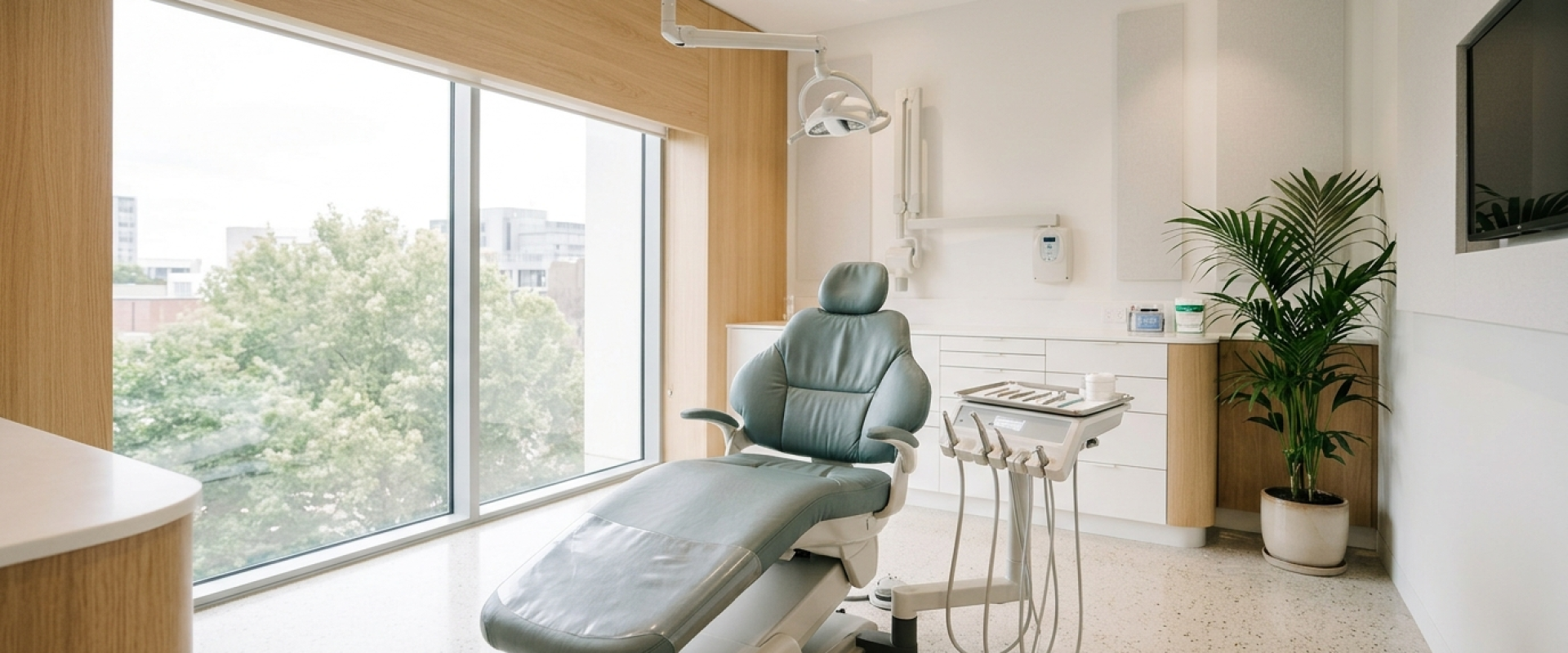
If you are due for a check-up, haven’t seen a dentist in a while, or feel your stomach tighten at the thought of the chair, professional teeth cleaning is a gentler appointment than most people expect. It is a calm, step-by-step process. A dental professional removes the build-up that brushing at home can’t shift, and you stay in control throughout. At Prudential Dental Clinic in Sydney NSW, with patients also seen in Five Dock NSW, we want you to know exactly what is coming before you sit down.
Key Takeaways
A professional clean removes plaque and hardened tartar (calculus) that regular brushing and flossing cannot, then polishes the tooth surfaces.
The visit follows a predictable order: a check of your mouth, scaling, polishing, and advice for home care. You can ask to pause at any point.
Mild sensitivity or gum tenderness can happen, particularly if it has been a while since your last visit. Tell your dentist so they can adjust.
Cost depends on what your mouth needs, so the right figure comes from an assessment and a current quote from the clinic.
Teeth Cleaning: What Happens From the Moment You Sit Down
Professional teeth cleaning is a routine preventive appointment, not a treatment you need to brace for. It usually begins with a conversation. Your dentist or hygiene professional will ask about your general health, any medications, and whether anything in your mouth has been bothering you, such as bleeding gums, sensitivity or a tooth that feels rough. This is a good moment to mention if you feel anxious, because a simple agreement on a hand signal for “please pause” often makes the whole visit easier.
Next comes a look around your mouth. The dentist checks your teeth, gums and the soft tissues for anything that needs attention, such as signs of gum inflammation, worn areas or possible decay. Depending on your situation, they may recommend further checks, and they will explain why before going ahead. Nothing about the process should be a surprise.
Because every mouth is different, the exact order and length of an appointment can vary. Your dentist can tell you what to expect for your own visit when you book.
Why Plaque and Tartar Need a Professional
Plaque is the soft, sticky film of bacteria that forms on your teeth throughout the day. Brushing twice a day and cleaning between your teeth removes much of it. Anything that is left behind can harden into tartar, also called calculus, which is firmly attached to the tooth surface. Once tartar has formed, a toothbrush cannot remove it, no matter how carefully you brush.
Tartar tends to collect in places that are hard to reach: along the gumline, behind the lower front teeth and between teeth. Over time it can irritate the gums, which is why bleeding or puffy gums are one of the most common reasons people are advised to have a clean. A professional visit clears it away so your daily routine can do its job on a fresh surface.
Brushing looks after your teeth every day, but only a professional clean can remove what has already hardened.
The Step-by-Step Walkthrough of a Professional Clean
Step 1: Scaling away plaque and tartar
Scaling is the part most people picture when they think of teeth cleaning. Dental professionals commonly use either hand instruments, a small ultrasonic scaler, or a combination of both. Hand scalers are slim, curved tools that gently scrape deposits from the tooth surface. An ultrasonic scaler uses fine vibrations and a light water spray to loosen tartar, and you may notice a humming sound and a little water in your mouth. Your dentist will let you know which approach suits your visit, and a suction tool keeps your mouth comfortable.
The sensation is typically a scraping or vibrating feeling rather than pain. If an area feels tender, say so. The dentist can slow down, change technique or give you a break.
Step 2: Polishing the tooth surfaces
After scaling, the teeth are usually polished with a soft rubber cup and a gritty paste. This smooths the surface and helps lift light staining from things like tea, coffee and red wine. A smoother surface is also a little harder for plaque to cling to. The paste often comes in a choice of flavours, which is a small comfort if you are nervous.
Step 3: Cleaning between the teeth
Floss or interdental tools are often used to clean between teeth and finish the job. Your dentist may also point out spots you tend to miss, so that you leave with practical, specific advice rather than a general reminder to brush more.
Step 4: A rinse and a final check
You will be asked to rinse, and the dentist will check that everything feels smooth and clean. They may discuss anything they noticed, from gum health to whether another appointment would be sensible. Any recommendation should come with an explanation, and you are always free to ask questions before agreeing to the next step.
Is a Dental Clean Painful? Easing Anxiety About the Appointment
For most people, a clean is not painful, but it can feel unusual, and dental anxiety is very common. Many people who delay a visit do so because they worry about being judged for the state of their teeth. A good dental team has seen it all, and their job is to help you move forward, not to lecture you.
A few things can make the appointment more comfortable:
Tell the team you are nervous. They can explain each step as they go and allow extra time.
Agree on a stop signal. Raising your hand is a simple way to pause at any moment.
Mention sensitivity. If cold air or water makes your teeth uncomfortable, your dentist can adjust how they work.
Breathe slowly through your nose. Steady breathing helps relax your jaw and shoulders.
Ask what you will feel before it happens. Knowing what is coming removes much of the uncertainty.
It is normal for gums to feel a little tender or slightly sensitive for a short time afterwards, especially if you haven’t had a clean in a while. If discomfort lasts or worries you, contact the clinic rather than waiting it out. If you would like to know more about what a first appointment involves, our guide to what to expect at your first dental visit in Sydney CBD walks through the check-up side in more detail.
Ready to Book Your Visit?
If it has been a while since your last clean, there is no need to feel awkward about it. You are welcome to mention any worries when you book, so the team can plan your visit around them.Call +61292337515
Why a Professional Clean Does More Than Brushing Alone
Brushing and flossing are the foundation of oral health, and nothing replaces them. But there are things a professional appointment achieves that home care cannot.
It removes tartar. Once plaque has hardened, only professional instruments can lift it.
It reaches awkward areas. Dental professionals have the tools and training to clean along and just below the gumline with care.
It pairs cleaning with a check. Problems such as early gum changes or small areas of decay are easier to deal with when they are found early.
It gives personalised advice. Your dentist can tailor tips on brushing technique and cleaning between teeth to your own mouth.
This kind of preventive care is sometimes called prophylaxis, simply meaning cleaning to prevent problems. If you would like the longer explanation, see our article on what dental prophylaxis is and how professional teeth cleaning works.
How Often Should You Have Your Teeth Cleaned?
There is no single answer that suits everyone. Many people are advised to have a clean and check-up at regular intervals, but the right gap depends on factors such as your gum health, how quickly tartar builds up on your teeth, your diet and your overall health. Someone with healthy gums and little build-up may need visits less often than someone who is prone to gum inflammation.
That is a decision for your dentist, based on your own assessment. Rather than guessing, ask at the end of your visit when they would like to see you next and why. If you have not been for a long time, the first appointment may take a little longer or may be followed by a second visit, depending on what your mouth needs.
What Affects the Cost of a Professional Clean?
People often search for the cost of teeth cleaning, including deeper cleans, before they book. Prudential Dental Clinic does not publish a public price list, and we do not quote general figures here because the real cost depends on your mouth. The main variables include:
how much plaque and tartar has built up, and how long since your last clean;
the health of your gums and whether they need more careful or extended treatment;
whether an examination or other checks are part of the same visit;
the number of appointments your care requires.
The only reliable figure comes after an assessment and a current quote from the clinic. If you have private health cover, ask your fund what your policy provides for general dental items, since benefit levels differ and the clinic cannot guarantee any amount. When you book, you are welcome to ask the team about costs so there are no surprises on the day.
Looking After Your Smile Between Visits
A clean is most effective when it is supported by good habits at home. Your dentist will give advice that suits you, but the basics are well established:
Brush twice a day with a soft-bristled toothbrush, taking your time along the gumline.
Clean between your teeth daily with floss or interdental brushes, as recommended for your mouth.
Limit how often you have sugary snacks and drinks, since frequency matters as much as quantity.
Replace your toothbrush when the bristles look worn.
Book a follow-up before small concerns grow, such as bleeding gums, bad breath that won’t go away, or a sore tooth.
Cleaning is also a natural gateway to other discussions. If you are curious about brightening your smile, for instance, your dentist can explain how Teeth Whitening fits in once your teeth and gums are healthy. For wider questions about the clinic’s care for all ages, our page on family dentistry in Sydney CBD is a useful starting point.
Frequently Asked Questions
Does teeth cleaning hurt?
Most people find it uncomfortable at worst, not painful. You may feel scraping, vibration or some sensitivity, particularly near the gums. Tell your dentist if anything feels sharp or sore so they can change their approach or pause.
Will my teeth look whiter after a clean?
A clean and polish can lift light surface staining, so teeth often look brighter and feel smoother. It is not the same as Teeth Whitening, and results vary from person to person. If you want to change the natural shade of your teeth, ask your dentist about whitening options.
What if I haven’t been to the dentist in years?
You are very welcome to book anyway. Your dentist will start by assessing your mouth, and a longer gap simply means they may need more time or more than one visit to get things back on track. Judgement has no place in the appointment.
How much does a deep clean cost?
The cost depends on the work involved, including how much build-up there is, the condition of your gums and how many visits are needed. The clinic can give you an accurate quote after an assessment. Contact the team and ask before you book if you would like to know more.
Can I eat or drink straight after a clean?
Often you can, but follow the advice your dentist gives you on the day. If your teeth feel sensitive, you might prefer to avoid very hot or cold food and drinks for a short while.
You can find more general answers on our Frequently Asked Questions page.
Taking the First Step Towards a Healthier Smile
A professional clean is one of the simplest and most reassuring things you can do for your oral health. It removes what brushing cannot, gives your dentist a chance to spot small issues early, and leaves you with advice that suits your own mouth. The process is steady and predictable, and you are in charge of the pace.
If nerves have kept you away, remember that nobody at the clinic is there to judge. Telling the team how you feel is the single most helpful step you can take, and it lets them plan your visit around you.
Whenever you are ready, the team at Prudential Dental Clinic is here to answer questions and help you book a time that suits you.
Book your teeth cleaning appointment.Call +61292337515