



Explore what is dental prophylaxis, its benefits for oral health & what to expect during professional teeth cleaning at Prudential Dental Clinic Sydney CBD. Prevent gum disease & keep your smile healthy with regular dental prophylaxis.
Key Takeaways
- Dental prophylaxis is a professional cleaning that removes plaque, tartar, and stains, preventing gum disease and cavities. Understanding what is dental prophylaxis is key to oral wellness.
- Beyond daily brushing, regular prophylaxis appointments are crucial for reaching areas your toothbrush can’t, maintaining optimal oral health, and detecting issues early.
- At Prudential Dental Clinic – Sydney CBD, our experienced team provides thorough, comfortable cleanings, offering personalised advice to keep your smile healthy, even through the winter months.
Understanding Dental Prophylaxis: More Than Just a Clean
When you hear “professional teeth cleaning,” the technical term often used by dental professionals is dental prophylaxis. But what exactly does this mean for your oral health? In essence, it’s a preventative measure designed to thoroughly clean your teeth, remove harmful build-ups, and safeguard your gums against disease. It’s a cornerstone of good oral hygiene, going far beyond what your daily brushing and flossing can achieve.
Regular dental prophylaxis appointments are vital for everyone, regardless of how diligent you are with your home care routine. Over time, plaque and tartar accumulate in hard-to-reach areas, leading to issues like gingivitis, cavities, and even more serious periodontal disease if left unchecked. At Prudential Dental Clinic – Sydney CBD, we emphasise the importance of these routine visits to keep your smile healthy and vibrant.
What is Dental Prophylaxis, Really?
The word “prophylaxis” comes from Greek, meaning “to guard against” or “prevention.” In dentistry, it refers to the procedure performed by a dental hygienist or dentist to clean the teeth and polish the surfaces. This professional cleaning targets the plaque and calculus (hardened plaque, also known as tartar) that accumulate on your teeth, both above and below the gum line.
While often grouped under the general term “cleaning,” prophylaxis is specifically focused on preventative care for healthy mouths or those with mild gingivitis. It’s distinct from deeper cleanings, such as scaling and root planing, which are prescribed for more advanced gum disease. Understanding what is dental prophylaxis helps you appreciate its role in maintaining long-term oral wellness.
The Silent Threat: Plaque, Tartar, and Gum Disease
Even with meticulous brushing and flossing, tiny particles of food and bacteria can combine to form a sticky, colourless film called plaque. This plaque constantly forms on your teeth. If not removed daily, the bacteria in plaque produce acids that attack tooth enamel, leading to cavities.
What many people don’t realise is that if plaque isn’t removed promptly, it can harden into calculus, or tartar. Tartar is porous and creates a rough surface that attracts even more plaque, becoming a breeding ground for bacteria. Once tartar forms, it cannot be removed by brushing or flossing alone; it requires professional intervention.
How Plaque Leads to Periodontal Problems
The bacteria in plaque and tartar irritate the gums, causing inflammation. This initial stage of gum disease is called gingivitis. Symptoms include red, swollen, and easily bleeding gums. While gingivitis is reversible with good oral hygiene and professional cleanings, if left untreated, it can progress to periodontitis.
Periodontitis is a more severe form of gum disease where the inflammation spreads, causing the gums to pull away from the teeth and form pockets. These pockets become infected, and the infection can destroy the bone and tissue supporting your teeth, eventually leading to tooth loss. Regular dental prophylaxis is your best defence against this progression.
Beyond the Brush: The Unique Benefits of Professional Cleaning
While daily home care is paramount, professional dental prophylaxis offers benefits that simply cannot be replicated at home. It’s a crucial component of a comprehensive oral health strategy, particularly here in Sydney, NSW, where we understand the importance of preventative health.
- Thorough Plaque and Tartar Removal: Dentists and hygienists use specialised tools to remove hardened tartar from above and below the gum line, areas often missed by regular brushing.
- Stain Removal: Professional cleanings can effectively remove extrinsic stains caused by coffee, tea, red wine, and tobacco, leaving your teeth looking brighter and feeling smoother.
- Early Detection of Issues: During your appointment, your dentist will examine your mouth for early signs of cavities, gum disease, oral cancer, and other potential problems, allowing for timely intervention.
- Fresher Breath: By removing bacteria and food debris that contribute to bad breath (halitosis), prophylaxis leaves your mouth feeling and smelling fresh.
- Personalised Oral Hygiene Advice: Our team at Prudential Dental Clinic – Sydney CBD can provide tailored advice on brushing techniques, flossing, and product recommendations to optimise your home care routine. Understanding what is dental prophylaxis helps you maintain oral health.
A professional dental prophylaxis isn’t just about aesthetics; it’s a vital health investment that can prevent costly and painful dental problems down the line, safeguarding your overall well-being. What is dental prophylaxis if not preventative care?
Your Prophylaxis Appointment at Prudential Dental Clinic – Sydney CBD
When you visit Prudential Dental Clinic – Sydney CBD for your dental prophylaxis, you can expect a comfortable and comprehensive experience. Our team is dedicated to making your visit as relaxed and informative as possible, ensuring you leave with a healthier, brighter smile.
What to Expect During Your Professional Cleaning
The procedure typically follows a systematic approach to ensure every surface of your teeth is meticulously cleaned:
- Initial Examination: Your dentist or hygienist will first examine your mouth to check for any signs of gum inflammation, cavities, or other oral health concerns. They may also take X-rays if due, to assess areas not visible to the naked eye.
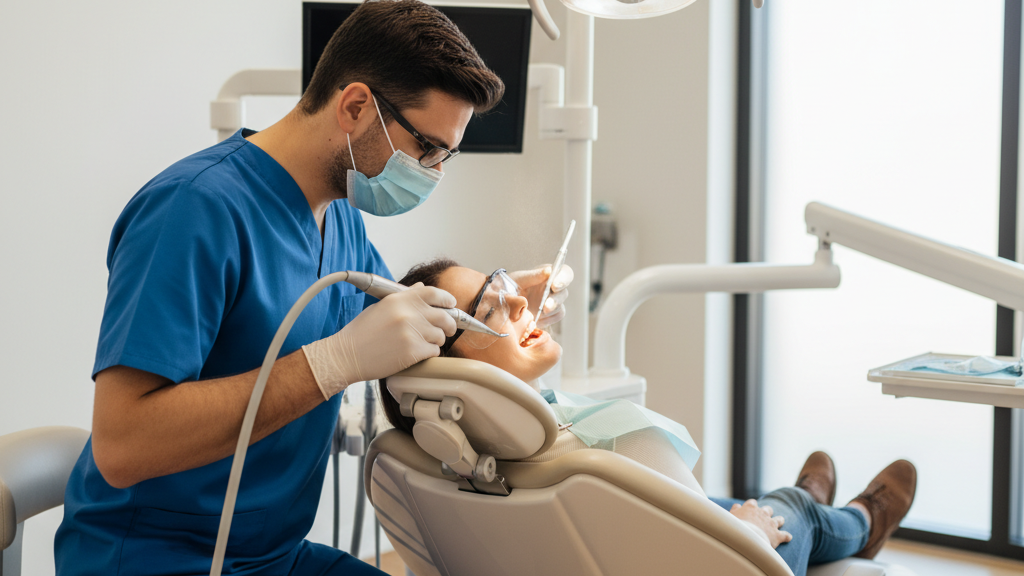
- Plaque and Tartar Removal (Scaling): Using specialised instruments, such as ultrasonic scalers and hand scalers, the hygienist will carefully remove plaque and hardened tartar from all tooth surfaces, both above and below the gum line. This process is thorough and precise.
- Polishing: After scaling, your teeth will be polished using a high-powered brush and a gritty paste. This removes any remaining surface stains and smooths the tooth surface, making it harder for plaque to adhere.
- Flossing: A thorough flossing is performed to clean between your teeth and confirm all debris has been removed.
- Rinsing: You’ll be asked to rinse with an antiseptic mouthwash to wash away any loose particles.
- Fluoride Treatment (Optional): Depending on your individual needs and risk factors for decay, a fluoride treatment may be applied. This helps to strengthen tooth enamel and make it more resistant to acid attacks.
- Oral Hygiene Instructions: Before you leave, your dental professional will provide personalised advice on maintaining your oral hygiene at home, including proper brushing and flossing techniques, and recommendations for any specific products that might benefit you.
The entire process usually takes between 45 minutes to an hour, leaving your mouth feeling incredibly clean and refreshed. This is what is dental prophylaxis.
Ready to Experience a Pristine Clean?
Don’t let plaque and tartar compromise your smile. Schedule your professional dental prophylaxis today.
Winter Wellness & Oral Health: Protecting Your Smile During Colder Months
As winter descends upon Sydney, it brings with it the unwelcome guests of respiratory illnesses like influenza, COVID-19, RSV, and the common cold. While you’re focused on managing symptoms, it’s important not to overlook the impact these illnesses can have on your oral health. Our team at Prudential Dental Clinic – Sydney CBD wants to ensure your teeth and gums remain protected, even when you’re feeling under the weather.
Common Winter Illnesses and Their Dental Side-Effects
- Dry Mouth (Xerostomia): Many antihistamines and decongestants used to treat cold and flu symptoms can cause dry mouth. Reduced saliva flow means less natural protection against cavities and gum disease.
- Mouth Breathing: Nasal congestion often leads to mouth breathing, especially at night. This further exacerbates dry mouth, increasing the risk of tooth decay and gingivitis.
- Post-COVID Taste/Smell Changes: Some individuals experience altered taste or smell after COVID-19, which can affect appetite or even make regular brushing feel unpleasant. Maintaining consistency is key.
- Acid Erosion from Vomiting: If you experience vomiting due to a stomach flu or other illness, stomach acids can erode tooth enamel. It’s crucial to rinse your mouth with water or a fluoride mouthwash immediately, rather than brushing, to avoid scrubbing acid into the enamel. Wait at least 30 minutes before brushing.
- Hydration Habits: During illness, sugary drinks might be tempting for comfort. Opt for water, herbal teas, or sugar-free electrolyte solutions to stay hydrated without bathing your teeth in sugar.
Protecting Your Teeth and Gums During Illness
Here are some practical tips to safeguard your oral health during winter illnesses:
- Stay Hydrated: Drink plenty of water to combat dry mouth, especially when taking medications.
- Use a Humidifier: This can help alleviate congestion and reduce mouth breathing, particularly at night.
- Sugar-Free Lozenges or Gum: Opt for those containing xylitol to stimulate saliva flow and help fight bacteria.
- Replace Your Toothbrush: After recovering from a cold, flu, or COVID-19, replace your toothbrush to prevent re-infection or spreading germs.
- Maintain Your Routine: Even if you feel tired, try to stick to your twice-daily brushing and daily flossing routine.
Don’t Skip Your Check-Up: Prioritising Preventative Care
It can be tempting to postpone your routine dental check-up and prophylaxis appointment during the busy winter season or if you’re feeling a bit run down. However, delaying these crucial preventative visits can have long-term consequences for your oral health. Regular appointments allow our team at Prudential Dental Clinic – Sydney CBD to catch potential issues early, often before they become painful or require more extensive treatment.
We understand the concerns about respiratory symptoms. If you are experiencing cold, flu, or COVID-19 symptoms, please contact us to reschedule your appointment. We kindly ask you to defer your dental visit and consult with your GP or a local pharmacy in Liverpool, Sydney, for appropriate medical advice. Your health and the health of our staff and other patients are our top priority.
Maintaining Your Oral Health Between Visits
While professional cleanings are essential, your daily habits play the most significant role in preventing plaque and tartar build-up between appointments. Here’s how you can maintain that fresh-from-the-dentist feeling:
- Brush Twice Daily: Use a soft-bristled toothbrush and fluoride toothpaste. Brush for two minutes each time, covering all surfaces of your teeth.
- Floss Daily: Flossing removes food particles and plaque from between your teeth and under the gum line, areas your toothbrush can’t reach.
- Use Mouthwash: An antiseptic or fluoride mouthwash can provide an extra layer of protection, but it should not replace brushing and flossing.
- Limit Sugary and Acidic Foods/Drinks: These contribute to tooth decay and erosion. If you consume them, do so in moderation and rinse your mouth with water afterwards.
- Regular Dental Check-ups: Schedule your dental prophylaxis every six months, or as recommended by your dentist, to ensure continuous preventative care.
For further information, see Australian Dental Association and Healthdirect Australia.
Frequently Asked Questions
Is dental prophylaxis painful?
For most individuals, dental prophylaxis is a comfortable procedure. You might experience some mild pressure or scraping sensations, but it shouldn’t be painful. If you have sensitive teeth or gums, please inform your hygienist at Prudential Dental Clinic – Sydney CBD, and we can discuss options to ensure your comfort.
How often should I get a professional cleaning?
Generally, it is recommended to have a dental prophylaxis every six months. However, your dentist at Prudential Dental Clinic – Sydney CBD may recommend more frequent visits (e.g., every three or four months) if you have specific risk factors for gum disease, such as smoking, diabetes, or a history of periodontal issues.
What’s the difference between prophylaxis and deep cleaning?
Dental prophylaxis is a preventative cleaning for healthy gums or mild gingivitis, focusing on removing plaque, tartar, and stains above and slightly below the gum line. A “deep cleaning,” also known as scaling and root planing, is a therapeutic procedure for moderate to severe gum disease (periodontitis). It involves more extensive cleaning below the gum line to remove bacteria, tartar, and smooth the root surfaces.
Will my dental prophylaxis be covered by Medicare?
In Australia, general dental services, including prophylaxis (preventative cleaning), are generally not covered by Medicare for most adults. However, private health insurance with extras cover often provides rebates for preventative dental treatments. We recommend checking with your health fund for details of your specific coverage. While some medical specialist appointments may attract a partial Medicare rebate with an out-of-pocket gap, routine dental prophylaxis is typically considered a general dental service and is usually not eligible for a Medicare rebate.
Can I get my teeth whitened during a prophylaxis appointment?
While prophylaxis removes extrinsic stains, making your teeth appear brighter, it does not change the natural colour of your teeth. Teeth whitening is a separate cosmetic procedure that can be discussed and scheduled with your dentist at Prudential Dental Clinic – Sydney CBD for after your cleaning.
Visit Prudential Dental Clinic – Sydney CBD Today
Located conveniently in the heart of Sydney, NSW, Prudential Dental Clinic – Sydney CBD is ready to provide you with exceptional dental care, ensuring your smile remains healthy and bright.