






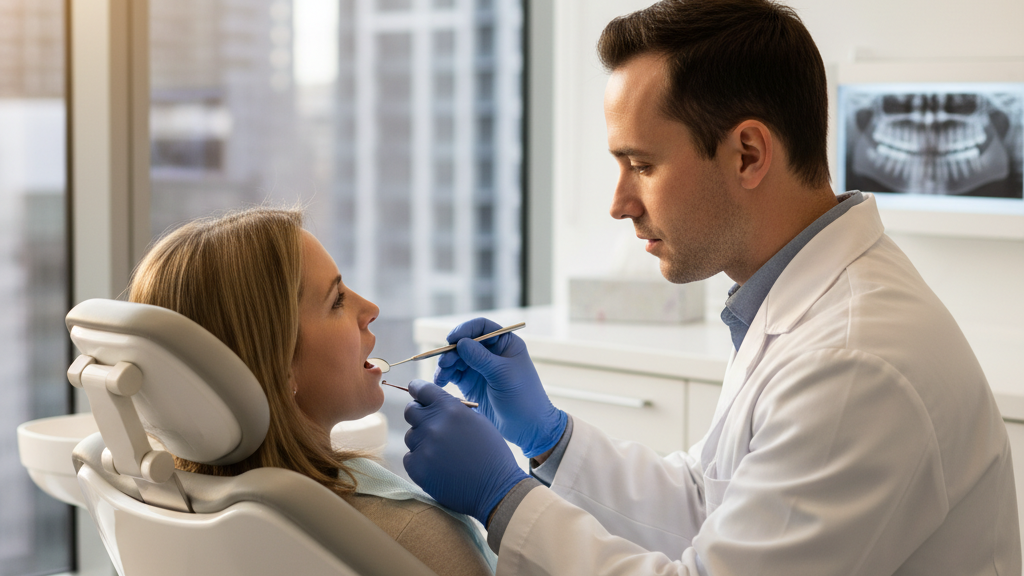
Confuse winter sinus congestion with root canal Sydney pain? Learn to differentiate symptoms & protect your oral health during illness. Expert guide from Prudential Dental Clinic Sydney CBD.
Key Takeaways
- Winter sinus congestion can cause referred pain in your upper teeth, often mimicking symptoms of a genuine dental issue like a root canal in Sydney.
- Distinguish between sinus-related tooth pain (generalised, worsens with head movement) and true dental pain (localised, sharp, sensitive to hot/cold).
- Protect your oral health during illness by staying hydrated, being mindful of sugary medications, replacing your toothbrush, and not skipping routine dental check-ups.
The Winter Conundrum: Sinus Congestion or Tooth Trouble in Sydney?
As winter descends upon Sydney, NSW, bringing with it the annual symphony of coughs, sniffles, and sore throats, many Australians find themselves grappling with an unexpected and often confusing symptom: tooth pain. This discomfort, particularly in the upper teeth, can be alarming, making you wonder if you’re facing a dreaded root canal in Sydney or something less severe.
The colder months typically see a surge in upper respiratory infections, from the common cold and influenza to COVID-19 and RSV. These illnesses frequently lead to sinus congestion, which can, in turn, exert pressure on the roots of your upper teeth, creating a sensation eerily similar to a serious dental problem. Understanding the difference between sinus-related tooth pain and a genuine dental emergency is crucial for getting the right treatment and avoiding unnecessary worry.
At Prudential Dental Clinic – Sydney CBD, we understand how concerning this can be. This comprehensive guide will help you decipher the signals your body is sending, understand when to consult your GP versus your dentist, and provide practical advice for safeguarding your oral health throughout the winter season. If you’re concerned about a possible root canal in Sydney, our clinic is here to help.
Understanding Sinus-Related Tooth Pain (Maxillary Sinusitis)
To grasp why your sinuses can make your teeth ache, a quick look at your anatomy is helpful. Your maxillary sinuses are air-filled cavities located within your cheekbones, directly above your upper back teeth (molars and premolars). The roots of these teeth often extend quite close to, or even into, the floor of the maxillary sinus.
When you suffer from a cold, flu, or other upper respiratory infection, the lining of your sinuses can become inflamed and swollen. This condition, known as sinusitis, causes mucus to build up, leading to increased pressure within the sinus cavities. This pressure can then bear down on the sensitive nerve endings of your upper teeth, resulting in what’s known as referred pain.
The pain typically manifests as a dull, persistent ache or a feeling of pressure in several upper back teeth on one or both sides of your mouth. It’s often accompanied by other classic sinus symptoms like nasal congestion, facial tenderness, headache, and sometimes a feeling of fullness in your ears. This particular type of sinus tooth pain is a common, albeit uncomfortable, side effect of winter illnesses. If you suspect you need a root canal in Sydney, it’s wise to consult a dentist.
It’s surprisingly common for patients to confuse sinus pressure with a severe toothache. Understanding the subtle differences can save you a trip to the wrong specialist and ensure you receive the most appropriate care.
Differentiating Sinus Pain from a Genuine Dental Emergency
While the sensation can be similar, there are distinct clues to help you discern whether your tooth pain is originating from your sinuses or a genuine dental problem. Paying close attention to these differences can guide you towards the correct healthcare professional, whether it’s your GP or a dentist in Sydney.
Sinus Pain Indicators:
- Generalised Ache: The pain usually affects several upper back teeth rather than a single, specific tooth.
- Worsens with Movement: The discomfort often intensifies when you bend over, jump, lie down, or make sudden head movements, due to shifts in sinus pressure.
- Accompanied by Respiratory Symptoms: You’ll likely also experience nasal congestion, runny nose, facial pressure, headache, sore throat, or ear fullness.
- Pain Relief with Decongestants: Over-the-counter decongestants might alleviate the tooth pain as they reduce sinus swelling.
- No Specific Tooth Sensitivity: The teeth usually aren’t sensitive to hot, cold, or biting pressure, unlike typical dental issues.
Dental Pain Indicators (Potential Root Canal Symptoms):
- Localised, Sharp Pain: The pain is typically focused on one particular tooth, often sharp, throbbing, or shooting.
- Sensitivity to Temperature: Prolonged sensitivity to hot or cold foods and drinks is a classic sign of pulp inflammation.
- Pain with Biting Pressure: Chewing or biting down on the affected tooth causes significant discomfort.
- Spontaneous or Night Pain: Pain that occurs without an obvious trigger or wakes you up at night is a strong indicator of a dental problem.
- Swelling and Tenderness: You might notice swelling around the affected tooth, tenderness in the gums, or even a small pimple-like bump (fistula) on the gum.
- No Relief from Sinus Medication: Decongestants or antihistamines will not impact pain caused by a dental infection or decay.
If your pain feels like it’s coming from a specific tooth, especially if it’s accompanied by swelling or sensitivity to temperature, it’s crucial to consider a dental origin. These symptoms could point to issues like a deep cavity, a cracked tooth, an infection, or even the need for a root canal. For expert assessment regarding a root canal in Sydney, contact our clinic.
When to Call Your Sydney GP or Your Dentist
Knowing who to contact first can save you time and ensure you get the right care. For residents across Sydney, here’s a guide on navigating your winter health concerns:
When to See Your GP First:
If your tooth pain seems to be a secondary symptom of a broader illness, your general practitioner is usually the first port of call. This applies if:
- Your primary symptoms are respiratory – severe congestion, persistent runny nose, cough, fever, or body aches.
- The tooth pain is vague, generalised across multiple upper teeth, and worsens with head movement.
- You suspect you have a cold, flu, COVID-19, or another viral infection causing sinusitis.
Your GP can diagnose and treat the underlying respiratory infection, prescribe appropriate medications (like decongestants or antibiotics if a bacterial infection is suspected), and monitor your overall recovery. Often, as the sinus congestion clears, the tooth pain will subside naturally.
When to See Your Dentist First:
If your symptoms strongly align with dental pain indicators, or if you’re unsure, contacting your dentist at Prudential Dental Clinic – Sydney CBD should be your priority. Make an appointment if:
- The pain is sharp, localised to a single tooth, and doesn’t seem to be linked to general sinus pressure.
- You experience extreme sensitivity to hot or cold, or pain when biting down.
- There is visible swelling around a tooth or on your gums, a foul taste, or signs of an abscess.
- The pain persists even after your cold or flu symptoms have improved, or if decongestants offer no relief.
A dentist can perform a thorough examination, including X-rays, to accurately diagnose the source of your pain. They can determine if you have a cavity, gum disease, a cracked tooth, or if a root canal or other dental procedure is necessary to resolve the issue. Don’t delay seeking dental attention for these specific symptoms, as untreated dental infections can lead to more serious complications. Our team can help determine if you need a root canal in Sydney.
Ready to Address Your Dental Concerns?
Don’t let dental pain linger. Contact Prudential Dental Clinic – Sydney CBD for expert diagnosis and care.
Safeguarding Your Smile During Winter Illness
Even if your tooth pain is purely sinus-related, winter illnesses can take a toll on your overall oral health. Adopting a proactive approach to oral hygiene during illness can prevent further dental problems. Here’s how you can protect your teeth and gums while recovering:
- Stay Hydrated: Illnesses, especially those accompanied by fever, can lead to dehydration. Many cold and flu medications, such as antihistamines and decongestants, also cause dry mouth. A dry mouth reduces saliva production, which is crucial for washing away food particles and neutralising acids. Drink plenty of water throughout the day to keep your mouth moist and protect your teeth from decay.
- Be Mindful of Medications: Many cough syrups, lozenges, and chewable cold remedies are high in sugar. While they provide temporary relief, the sugar can contribute to tooth decay. If you use these products, rinse your mouth with water or brush your teeth shortly after. Opt for sugar-free alternatives where possible.
- Maintain Your Oral Hygiene Routine: Despite feeling unwell, it’s important to continue brushing your teeth twice a day and flossing daily. If your gums are sensitive or you have a sore throat, use a soft-bristled toothbrush and be gentle. Good oral hygiene helps remove bacteria and plaque, preventing new issues from arising.
- Replace Your Toothbrush: After recovering from a cold, flu, or any contagious illness, it’s a good idea to replace your toothbrush. While the risk of re-infection from your own toothbrush is low, it’s a simple step to ensure you’re not harbouring germs that could contribute to another illness or affect your oral health.
- Rinse After Vomiting (Whooping Cough, Flu): If you experience vomiting, common with illnesses like the flu or whooping cough, do NOT brush your teeth immediately. Stomach acid is highly acidic and can temporarily soften tooth enamel. Brushing immediately can cause erosion. Instead, rinse your mouth thoroughly with water or a fluoride mouthwash, and wait at least 30 minutes before brushing.
- Encourage Nasal Breathing: When congested, mouth breathing becomes more common. This can lead to dry mouth, as mentioned, and potentially impact gum health. Try to use nasal decongestants or saline rinses to clear your nasal passages, encouraging nasal breathing and protecting your oral environment.
By following these steps, you can help minimise the impact of winter illnesses on your oral health, ensuring your smile remains strong once you’ve recovered. These practices are especially important for patients considering a root canal in Sydney, as maintaining good oral hygiene is key to long-term success of any dental treatment.
Common Winter Illnesses and Their Oral Health Footprint
Beyond mimicking tooth pain, various winter respiratory illnesses have specific implications for your oral health. Understanding these connections can empower you to take better care of your mouth during flu season.
Influenza A & B and COVID-19:
Both the flu and COVID-19 can lead to severe fatigue, making it challenging to maintain consistent oral hygiene. Patients often experience dry mouth due to fever, dehydration, and medications. A notable side effect reported by some COVID-19 sufferers is changes in taste and smell, which while not directly impacting dental structures, can affect appetite and enjoyment of food, potentially leading to less healthy dietary choices.
RSV (Respiratory Syncytial Virus):
While RSV primarily affects infants, the elderly, and immunocompromised individuals, its impact on oral health is often indirect. Severe respiratory symptoms can lead to prolonged mouth breathing, contributing to dry mouth and an increased risk of gum inflammation (gingivitis). For young children, this can also affect developing oral structures if prolonged.
Whooping Cough / Pertussis:
This highly contagious bacterial infection is characterised by severe, uncontrolled coughing fits, often followed by a “whooping” sound and sometimes vomiting. As discussed, repeated exposure to stomach acid from vomiting can erode tooth enamel over time. It’s vital for pregnant individuals to get their pertussis booster, and for children to follow the immunisation schedule, protecting both their overall health and long-term oral health.
Pneumonia and Bronchitis:
These conditions, whether bacterial or viral, often involve persistent coughing and sometimes require antibiotics. Long-term coughing can lead to jaw pain and dry mouth. Antibiotics, while necessary, can sometimes disrupt the natural balance of oral flora, potentially leading to thrush or other oral infections. Discussing potential oral side effects with your GP or dentist in Sydney is always a good idea.
Awareness of these specific oral health impacts allows for targeted preventative measures, ensuring that your dental health isn’t overlooked amidst the challenges of winter illness.
Beyond Sinus Pain: Other Dental Issues Not to Ignore
While distinguishing between sinus and dental pain is important, it’s equally vital not to dismiss all toothaches as merely sinus-related. There are many other genuine dental issues that require prompt attention from a professional at Prudential Dental Clinic – Sydney CBD. Ignoring these can lead to more severe pain, extensive damage, and costly treatments down the line.
Common dental problems that can cause significant pain include:
- Tooth Decay (Cavities): When bacteria create holes in your tooth enamel, exposing the sensitive inner layers, it can cause pain, especially with hot, cold, or sweet foods. If left untreated, decay can reach the pulp, leading to the need for a root canal.
- Gum Disease (Periodontitis): Inflammation and infection of the gums can cause tenderness, bleeding, and eventually lead to tooth loss if not managed. While usually not sharp pain, it can cause a dull ache and sensitivity.
- Cracked or Chipped Teeth: A fracture in a tooth can expose nerve endings, causing sharp pain when biting or with temperature changes.
- Dental Abscess: This is a pocket of pus caused by a bacterial infection, often at the root of a tooth or between the gum and a tooth. It causes severe, throbbing pain, swelling, fever, and can be life-threatening if untreated.
- Impacted Wisdom Teeth: Wisdom teeth that don’t have enough room to erupt can cause pain, swelling, and infection in the back of the mouth.
If your tooth pain exhibits any of the “dental pain indicators” discussed earlier, or if it persists even after your cold or flu symptoms resolve, do not hesitate to seek professional dental advice. A thorough examination and diagnostic tests are the only way to accurately identify the source of your discomfort and ensure you receive the appropriate treatment, whether it’s a simple filling or a complex root canal in Sydney.
Maintaining Your Routine Dental Check-Up in Winter
It’s easy to let routine appointments slide during the busy and often sickly winter months. However, maintaining your regular dental check-ups and cleans is more important than ever, even amidst the flu season. Preventative care is the cornerstone of good oral health, helping to catch minor issues before they escalate into painful emergencies.
At Prudential Dental Clinic – Sydney CBD, we emphasise the importance of consistent dental care. Regular visits allow our team to:
- Detect Issues Early: Small cavities, gum inflammation, or minor cracks can be identified and treated before they cause significant pain or require more invasive procedures like a root canal.
- Professional Cleaning: Even with diligent home care, plaque and tartar can build up. A professional clean removes these deposits, preventing decay and gum disease.
- Monitor Overall Oral Health: We can assess the health of your entire mouth, including your jaw, bite, and soft tissues, identifying any potential concerns.
- Provide Personalised Advice: Our dentists can offer tailored advice on oral hygiene, diet, and any specific concerns you might have, including how to manage oral health during winter illnesses.
If you have a scheduled appointment and are experiencing acute respiratory symptoms (fever, persistent cough, congestion), please call Prudential Dental Clinic – Sydney CBD to discuss rescheduling. Your health and the health of our staff and other patients are our top priority. We can advise on the best course of action and find a suitable time for your visit once you’re feeling better.
Don’t let winter illnesses deter you from proactive dental care. A strong foundation of oral health makes you more resilient to the challenges that seasonal sickness can bring. If you’re concerned about needing a root canal in Sydney, regular check-ups are vital.
For further information, see Australian Dental Association and Healthdirect Australia.
Frequently Asked Questions
Can a cold really cause tooth pain?
Yes, absolutely. Sinus congestion from a cold, flu, or other respiratory infection can cause pressure in the maxillary sinuses, which are located directly above your upper back teeth. This pressure can be felt as a dull ache or sensitivity in those teeth, mimicking a genuine dental problem.
How long does sinus tooth pain typically last?
In most cases, sinus-related tooth pain eases as the underlying congestion clears — usually within a few days to two weeks, in line with the cold, flu or sinus infection causing it. If the discomfort lingers after your other sinus symptoms have settled, keeps returning, or becomes sharp and localised to a single tooth, it’s worth booking a dental check-up at Prudential Dental Clinic – Sydney CBD to rule out a genuine dental cause such as decay or infection. This could include needing a root canal in Sydney.
How can I tell if it’s sinus pain or a real dental problem?
Sinus-related pain is usually a dull, generalised ache or pressure across several upper back teeth that worsens when you bend over, lie down or move your head, and it often comes with nasal congestion or facial pressure. Genuine dental pain tends to be sharp and localised to one tooth, and reacts to hot, cold or biting. If you’re unsure, our dentists can examine the tooth — and take an X-ray if needed — to pinpoint the true cause, including if you require a root canal in Sydney.
Should I see a dentist or a doctor for sinus tooth pain?
If your tooth pressure comes alongside cold or flu symptoms and affects several upper teeth, it’s reasonable to manage the sinus issue first with your GP or pharmacist. However, if the pain is focused on one tooth, lasts longer than your sinus symptoms, or is severe, see a dentist. At Prudential Dental Clinic – Sydney CBD we can quickly check whether your discomfort is dental or sinus-related and advise on the right next step, including assessing if you need a root canal in Sydney.
How can I ease sinus tooth pain at home?
Staying well hydrated, inhaling steam, using a saline nasal rinse, and taking over-the-counter decongestants or pain relief as directed by your pharmacist can all help relieve sinus pressure. Keep in mind that many decongestants and antihistamines cause dry mouth, which can increase the risk of decay — so sip water regularly and keep up your usual brushing and flossing. If the pain persists, please arrange a dental check-up for a thorough assessment, including if a root canal in Sydney is needed.
Visit Prudential Dental Clinic – Sydney CBD Today
If winter sinus congestion has left you unsure whether the problem is your sinuses or your teeth, our friendly team in the heart of Sydney, NSW can help. Prudential Dental Clinic – Sydney CBD will examine your teeth, identify the real cause of your pain, and put your mind at ease.