




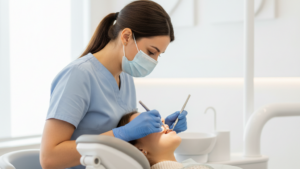
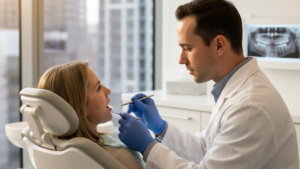
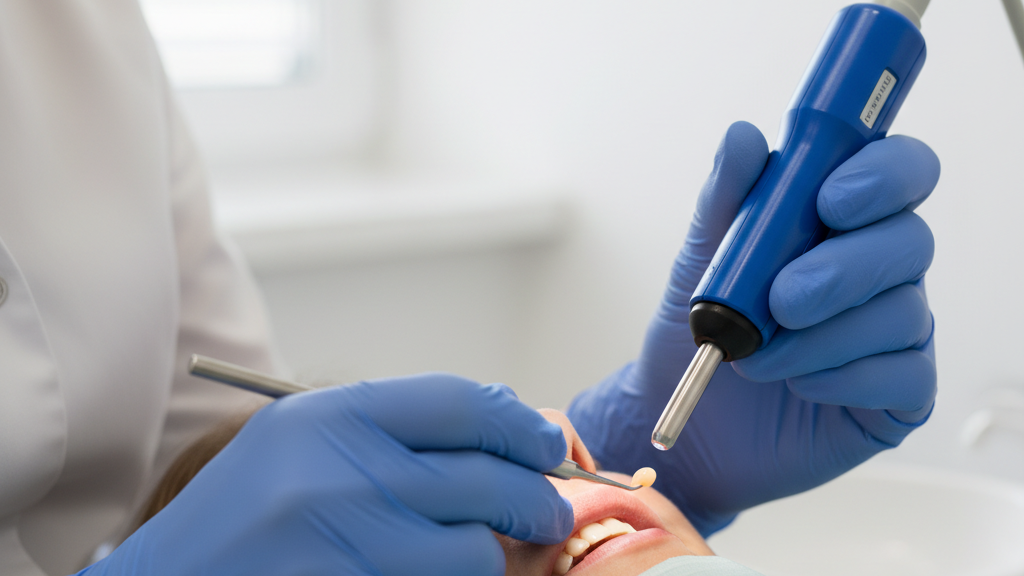
Understanding what is tooth coloured restoration is crucial for maintaining a healthy, aesthetic smile. These modern dental repairs, crafted from materials like composite resin or porcelain, offer a discreet and effective solution for damaged teeth, seamlessly blending with your natural tooth shade. This article will explain the various types of tooth coloured restorations available and highlight how common winter illnesses can impact the longevity and integrity of your existing dental work, ensuring you’re well-informed for optimal oral health.
Key Takeaways
- Tooth coloured restorations use composite resin or porcelain to repair damaged teeth while seamlessly matching your natural tooth shade.
- Winter cold and flu medications can cause dry mouth and reduced saliva flow, increasing the risk of decay around existing restorations.
- Prudential Dental Clinic – Five Dock provides expert care to help you maintain and protect your restorations throughout the colder months and beyond.
What Is Tooth Coloured Restoration?
A tooth coloured restoration is a dental repair made from materials that closely match the natural shade of your teeth. Unlike traditional silver amalgam fillings, these restorations blend in with surrounding enamel, making them virtually invisible when you smile, talk or eat.
The most common materials used are composite resin and porcelain (ceramic). Both are carefully shade-matched to your existing teeth using a standardised colour guide, ensuring the finished tooth coloured restoration looks and feels like a natural part of your smile.
Why Patients Choose Natural-Looking Restorations
Many Australians are moving away from metal fillings for both aesthetic and functional reasons. Tooth coloured restorations bond directly to the tooth structure, which can actually strengthen the remaining tooth rather than simply filling a gap. They also require less removal of healthy tooth material during preparation, making them a more conservative treatment option.
For patients at Prudential Dental Clinic – Five Dock, the appeal is straightforward: you get a durable repair that nobody can see.
Types of Tooth Coloured Restorations
There are several categories of tooth coloured restoration, each suited to different levels of damage and different locations in the mouth.
Composite Resin Fillings
These are the most common type. Your dentist applies a tooth-coloured composite resin directly to the prepared cavity, sculpts it to shape, and hardens it with a curing light. They work well for small to medium cavities in both front and back teeth.
Porcelain Inlays and Onlays
For larger areas of damage that do not require a full crown, porcelain inlays and onlays offer a strong, long-lasting solution. These are fabricated in a dental laboratory and bonded to the tooth in a subsequent appointment.
Porcelain Crowns and Veneers
When a tooth is severely damaged, a porcelain crown covers the entire visible surface. Veneers, on the other hand, are thin porcelain shells bonded to the front of teeth to correct chips, discolouration or minor misalignment.
- Composite resin fillings — ideal for small to medium cavities; completed in a single visit
- Porcelain inlays and onlays — suited to larger restorations; custom-made for a precise fit
- Porcelain crowns — full-coverage protection for heavily damaged teeth
- Porcelain veneers — cosmetic shells for front teeth to improve appearance
How the Procedure Works
The process for receiving a tooth coloured restoration varies depending on the type of restoration, but a standard composite resin filling follows a straightforward sequence.
What to Expect During Your Appointment
- Assessment and shade matching — Your dentist examines the tooth and selects a composite shade that matches your natural enamel.
- Preparation — The decayed or damaged portion of the tooth is carefully removed, preserving as much healthy structure as possible.
- Bonding agent application — A conditioning liquid is applied to help the composite resin adhere securely to the tooth surface.
- Layered placement — The resin is applied in thin layers, with each layer hardened using a specialised curing light.
- Shaping and polishing — The tooth coloured restoration is sculpted to match your bite and polished to a smooth, natural finish.
Most composite fillings are completed in a single appointment. Porcelain restorations such as inlays, onlays or crowns typically require two visits — one for preparation and impressions, and a second for fitting the finished piece.
Benefits of Choosing Tooth Coloured Restorations
There are strong reasons why tooth coloured restorations have become the preferred choice for many patients and dental professionals across Australia.
- Natural appearance — The restoration is virtually undetectable, blending seamlessly with your existing teeth.
- Tooth preservation — Less healthy tooth structure needs to be removed compared to amalgam preparations.
- Direct bonding — Composite resin bonds chemically to the tooth, adding structural support rather than relying purely on mechanical retention.
- Mercury-free — Unlike amalgam, composite resin and porcelain contain no mercury or metal alloys.
- Versatility — Suitable for front and back teeth, and available as fillings, inlays, onlays, crowns and veneers.
- Repairability — Minor chips or wear on composite restorations can often be repaired without replacing the entire filling.
At Prudential Dental Clinic – Five Dock, your dentist will discuss which type of tooth coloured restoration best suits the location, size and function of the tooth being treated.
Saliva is your mouth’s natural defence system — it neutralises acids, washes away food debris and helps protect the margins of existing restorations. When winter medications reduce saliva flow, that defence drops significantly.
How Winter Illness Affects Your Oral Health and Restorations
Australian winters bring a predictable rise in influenza, COVID-19, RSV and other respiratory illnesses. While your first concern is naturally recovery, the medications you take and the symptoms you experience can quietly affect your teeth — particularly any existing restorations.
Dry Mouth from Cold and Flu Medications
Antihistamines, decongestants and certain cough syrups are known to reduce saliva production. Saliva plays a critical role in neutralising acids and remineralising enamel. When saliva flow drops, the margins where a tooth coloured restoration meets your natural tooth become more vulnerable to secondary decay.
Sugary cough lozenges and liquid medicines can compound the problem by feeding acid-producing bacteria right at a time when your mouth is least able to defend itself.
Mouth Breathing During Congestion
When nasal passages are blocked, many people switch to mouth breathing — especially at night. This dries out the oral cavity further, creating conditions where plaque accumulates more rapidly around fillings, crowns and other restorations.
- Antihistamines and decongestants reduce saliva output
- Sugary cough syrups and lozenges increase acid exposure
- Mouth breathing during congestion accelerates oral dryness
- Vomiting from gastric flu exposes teeth and restorations to stomach acid
- Post-COVID changes in taste and smell may alter eating habits, affecting oral hygiene routines
Ready to Restore Your Smile?
Speak with the team at Prudential Dental Clinic – Five Dock about tooth coloured restorations tailored to your needs.
Protecting Your Teeth and Restorations During Flu Season
A few simple habits can make a significant difference in protecting your restorations while you recover from a winter illness.
Practical Tips for the Colder Months
- Stay hydrated — Sip water regularly throughout the day to counteract medication-induced dry mouth and keep saliva flowing.
- Choose sugar-free medications — Where possible, opt for sugar-free cough lozenges and liquid medicines to reduce acid exposure around restoration margins.
- Rinse after vomiting — If a stomach bug causes vomiting, rinse your mouth with water or a baking soda solution. Wait at least 30 minutes before brushing to avoid spreading acid across softened enamel.
- Replace your toothbrush — After recovering from a cold, flu or respiratory infection, swap your toothbrush for a fresh one to avoid reintroducing bacteria.
- Maintain your brushing routine — Even when feeling unwell, continue brushing twice daily with a fluoride toothpaste and flossing at least once.
- Do not skip your dental check-up — If you have a scheduled appointment at Prudential Dental Clinic – Five Dock, keep it unless you have active respiratory symptoms. Your dentist can identify early signs of wear or decay around restorations before they become larger problems.
When to See Your Dentist vs Your GP
Respiratory symptoms such as fever, persistent cough and body aches should be assessed by your GP or pharmacist. However, if you notice tooth sensitivity, pain around a filling, or a visible chip in a restoration during or after an illness, contact Prudential Dental Clinic – Five Dock promptly. Early intervention can prevent a minor issue from becoming a more complex repair.
When to Consider a Tooth Coloured Restoration
You may benefit from a tooth coloured restoration if you are experiencing any of the following:
- A new cavity that needs filling
- An old amalgam filling you would like replaced with a natural-looking alternative
- A chipped, cracked or worn tooth
- Discolouration or minor cosmetic concerns on visible teeth
- A restoration that has developed secondary decay at the margins — particularly common after periods of reduced saliva or poor oral hygiene during illness
Your dentist at Prudential Dental Clinic – Five Dock will assess the tooth and recommend the most appropriate tooth coloured restoration type based on the extent of damage, the tooth’s location and the functional demands placed on it.
Frequently Asked Questions
How long do tooth coloured restorations last?
Composite resin fillings typically last between 5 and 10 years, while porcelain inlays, onlays and crowns can last 15 years or longer with proper care. Longevity depends on factors such as oral hygiene habits, bite forces and whether you grind your teeth. Regular check-ups at Prudential Dental Clinic – Five Dock help ensure restorations are monitored and maintained.
Can I replace my old silver fillings with tooth coloured ones?
Yes. Many patients choose to have amalgam fillings replaced with composite resin or porcelain restorations for aesthetic reasons or personal preference. Your dentist will assess whether the existing filling can be safely removed and which type of tooth coloured restoration is most suitable for the cavity size and location.
Are tooth coloured restorations as strong as amalgam?
Modern composite resins have improved significantly in strength and durability. For small to medium fillings, they perform comparably to amalgam. For larger restorations on back teeth that bear heavy chewing forces, porcelain inlays or onlays may be recommended as they offer superior strength while maintaining a natural appearance.
Will cold and flu medications damage my fillings?
The medications themselves do not directly damage restorations. However, antihistamines and decongestants reduce saliva flow, and sugary cough syrups increase acid exposure — both of which raise the risk of decay forming around the edges of existing fillings. Staying hydrated and choosing sugar-free options helps mitigate this risk during winter illness.
Does the procedure hurt?
Most tooth coloured restorations are placed under local anaesthetic, so you should not feel pain during the procedure. Some patients experience mild sensitivity in the days following treatment, particularly with deeper fillings. This typically settles on its own. If sensitivity persists, contact Prudential Dental Clinic – Five Dock for a follow-up assessment.
Visit Prudential Dental Clinic – Five Dock Today
Located in Five Dock, NSW, our experienced team is here to help you achieve a natural-looking, healthy smile with tooth coloured restorations tailored to your needs.