

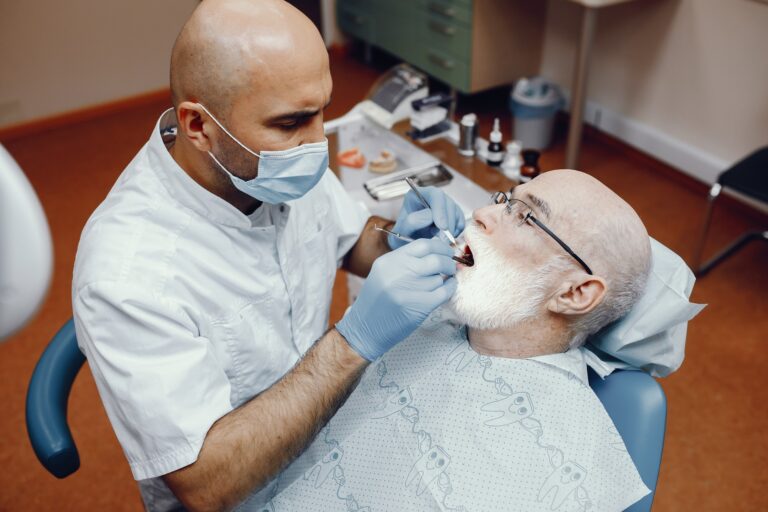
Tooth loss is a common issue among older adults and can affect more than just appearance. Missing teeth may influence speech, eating habits, facial structure, and overall quality of life. As dental care has evolved, seniors now have access to treatment options that aim to restore both function and comfort for the long term. One option that often raises questions is dental implants.
For many older Australians, deciding whether dental implants are worth considering involves balancing health, cost, recovery time, and long-term benefits. This article explores the topic in detail, helping seniors and their families understand whether dental implants are a suitable and practical option later in life.
Understanding Dental Implants
Dental implants are artificial tooth roots made from materials such as titanium, which is known for its compatibility with the human body. These implants are placed into the jawbone to support replacement teeth, including crowns, bridges, or dentures.
Unlike removable solutions, implants are fixed in place and designed to integrate with the jawbone. This integration allows them to function in a way that closely resembles natural teeth.
How Dental Implants Support Oral Function
Once an implant is placed, the surrounding bone gradually bonds with it. This process helps create a stable foundation that can withstand normal biting and chewing forces. Over time, the implant-supported tooth becomes a permanent part of the mouth, provided it is properly maintained.
Why Seniors Consider Dental Implants
As people age, tooth loss can affect eating, speech, and confidence. Dental implants offer a more permanent solution compared to traditional dentures.
Tooth Loss and Its Impact with Age
As people age, factors such as gum disease, long-term wear, dry mouth from medications, and general health conditions can increase the likelihood of tooth loss. Missing teeth may lead to changes in diet, reduced confidence, and difficulty speaking clearly.
Limitations of Removable Dentures
While dentures remain a common solution, some seniors find them challenging to manage. Issues such as movement while eating, pressure points on the gums, and the need for adhesives can affect daily comfort. These concerns often prompt interest in more stable options.
Benefits of Dental Implants for Older Adults
Implants improve chewing ability, support jawbone health, and provide a natural look. Seniors often experience increased comfort and stability compared to removable dentures.
Improved Ability to Eat a Balanced Diet
Dental implants allow for stronger and more consistent biting force. This can make it easier to eat foods that are harder to chew, such as fresh vegetables, meats, and whole grains, supporting better nutrition.
Stability and Comfort
Because implants are anchored into the jawbone, they do not shift or rub against the gums. This stability can significantly reduce discomfort compared to removable appliances.
Supporting Jawbone Health
When teeth are missing, the jawbone can gradually lose density. Dental implants stimulate the bone in a similar way to natural tooth roots, which may help slow bone loss and preserve facial structure.
Natural Look and Feel
Implant-supported teeth are custom-designed to match natural teeth. This can help seniors feel more confident in social situations without worrying about visible dental appliances.
Are Dental Implants Suitable for Seniors?
Age alone is not a barrier for implants. Health conditions, bone quality, and oral hygiene determine suitability for older adults.
Age Is Not the Primary Factor
There is no specific age limit for receiving dental implants. Many seniors in their seventies and eighties successfully undergo implant treatment. The key factors are overall health, bone quality, and oral hygiene habits.
Health Considerations
Certain medical conditions, such as uncontrolled diabetes or conditions affecting bone healing, may influence suitability. A thorough assessment is essential to determine whether implants are appropriate. Clinics such as Prudential Dental clinic focus on evaluating each patient’s health history before recommending treatment.
Understanding the Cost of Dental Implants
While the initial cost of implants is higher than dentures, they can be cost-effective long-term. Insurance coverage and payment options vary for seniors in Australia.
Initial Costs Versus Long-Term Value
Dental implants typically involve higher upfront costs than dentures or bridges. These costs reflect surgical procedures, materials, and the time involved in planning and placement.
However, implants are designed to be long-lasting. Over time, they may reduce the need for frequent replacements or adjustments, which can make them a cost-effective option in the long run.
Health Fund and Financial Factors
In Australia, dental implants are generally not covered by Medicare. Some private health funds may provide partial rebates depending on the level of cover. Seniors are encouraged to review their insurance and discuss financial planning options with their dental provider.
The Dental Implant Treatment Process
Dental implant treatment involves assessment, surgical placement, healing, and final restoration. A detailed plan ensures safety and effective results.
Assessment and Planning
The process begins with a detailed consultation, including imaging to assess jawbone density and gum health. This planning stage ensures the implant is placed safely and effectively.
Many seniors benefit from learning about the process of dental implant treatment before deciding if implants are suitable for their needs.
Implant Placement Procedure
The implant is placed into the jawbone under local anaesthetic. Sedation options may be available for patients who feel anxious. Recovery experiences vary, but discomfort is usually temporary.
Healing and Final Restoration
After the implant integrates with the bone, a custom-made restoration is attached. This restoration is shaped and coloured to blend naturally with surrounding teeth.
Possible Risks and Limitations
Like any procedure, implants carry risks such as infection or delayed healing. Bone loss and longer recovery time may also affect some seniors.
Surgical Considerations
As with any surgical procedure, dental implants carry some risks, such as infection or delayed healing. These risks are generally low when proper planning and aftercare are followed.
Bone Loss Challenges
Some seniors may not have sufficient bone volume due to long-term tooth loss. In such cases, additional procedures like bone grafting may be required before implant placement.
Healing Time
Healing can take longer in older adults, especially for those with certain health conditions. This extended timeline should be considered when planning treatment.
Alternatives to Dental Implants
Dentures, bridges, and implant-supported dentures provide non-surgical or hybrid options. Each alternative has benefits and limitations depending on oral health.
Traditional Dentures
Dentures remain a viable option for many seniors, particularly those who prefer a non-surgical approach. While modern dentures have improved, they may still lack stability.
Dental Bridges
Bridges use neighbouring teeth for support and can restore function and appearance. However, they do not address bone loss and may require altering healthy teeth.
Implant-Supported Dentures
This option combines implants with a denture to improve stability. Fewer implants are required compared to replacing each missing tooth individually.
Who May Benefit Most From Dental Implants?
Dental implants may be suitable for seniors who maintain good overall health, have sufficient bone, and commit to ongoing dental care. To find out if implants are right for you, book an appointment with a dental professional today.
- Have stable general health
- Maintain good oral hygiene
- Have adequate bone or are suitable for bone augmentation
- Are willing to attend regular dental check-ups
A personalised consultation ensures that treatment aligns with individual needs and expectations.
Ongoing Care and Maintenance
Implants require regular brushing, flossing, and dental check-ups. Proper care supports longevity and prevents complications.
Daily Oral Care
Implants require the same level of care as natural teeth. Brushing, flossing, and cleaning around the implant area are essential to maintain gum health.
Professional Monitoring
Regular dental visits help ensure implants remain healthy and functional. Ongoing care information is available through this Australian dental clinic .
Impact on Quality of Life
For many seniors, dental implants offer benefits beyond oral function. Improved comfort, confidence, and ease of eating can contribute to better overall wellbeing. While dental implants for seniors may not suit everyone, they can provide a reliable long-term solution when conditions are favourable.
Conclusion
Dental implants can be a worthwhile option for seniors who are seeking a stable and long-lasting solution to tooth loss. Understanding personal health factors, recovery expectations, and long-term care requirements is essential before making a decision. For those considering treatment, professional guidance can help clarify options and suitability. To discuss individual circumstances or take the next step, you may book a consultation or get in touch with the dental team.